
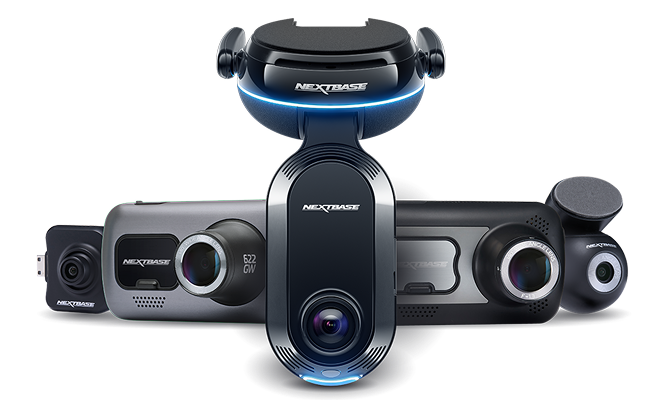
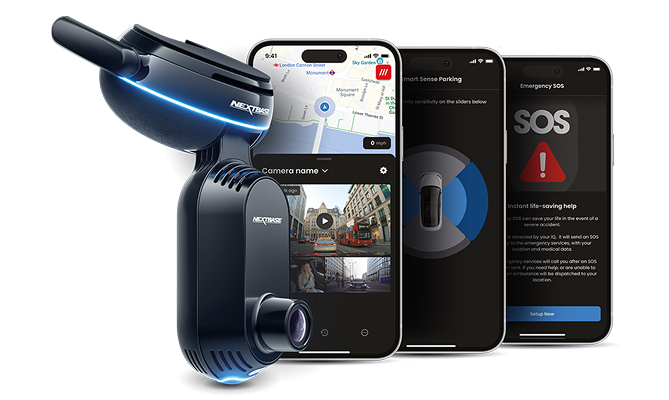
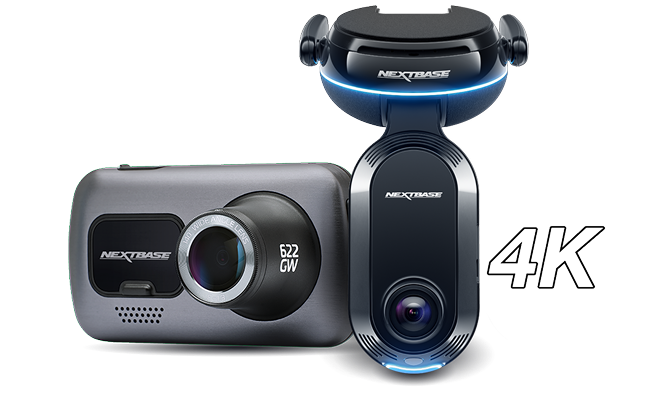
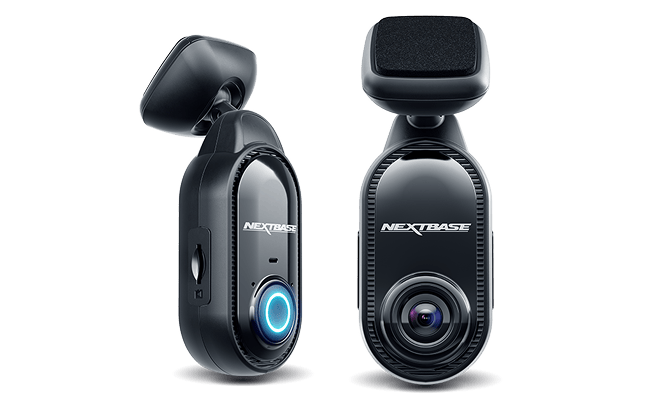





Nextbase InSight
British Columbia’s proposed Dashboard Cameras in Commercial Vehicles Act could require commercial vehicles to operate with dashboard cameras. But the bigger opportunity may be what those cameras can become.
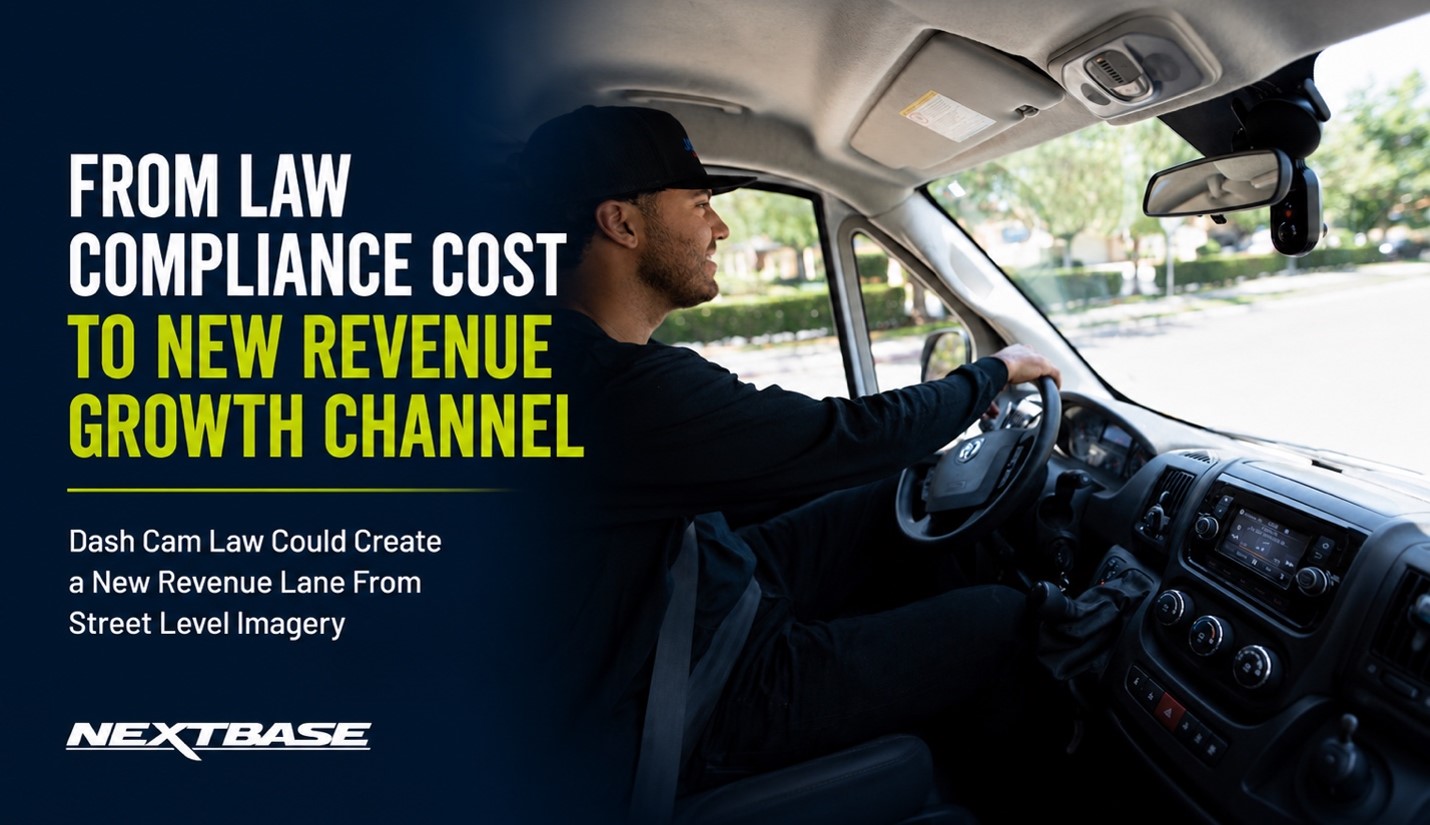
Canada, British Columbia’s proposed Dashboard Cameras in Commercial Vehicles Act is significant for one immediate reason: it would require the mandatory installation and operation of dashboard cameras in commercial vehicles.
The bill is currently in first reading. As written, it would require commercial vehicle owners, or lessees in the case of leased vehicles, to install and maintain a dashboard camera. It defines a dashboard camera as a recording device capable of continuously recording the road ahead through the front windshield whenever the vehicle is operating. If passed, the Act would come into force six months after Royal Assent.
For many operators, the first reaction will be practical. Which cameras comply? Who installs them? How is footage stored? What policies are required? How does this affect insurance, liability, driver protection, and fleet operations?
Those questions matter, but they only address the cost side of the conversation. The bigger question is whether a required camera can become an economic asset.
If commercial vehicles are going to carry road-facing cameras at scale, the market should not treat those cameras as passive compliance hardware.
It should recognise them as the foundation for a new road intelligence economy, built from vehicles already driving the roads the world needs to understand better.
Contact the team: [email protected]
The Opportunity Is Bigger Than the Requirement
A narrow reading of a dash cam mandate leads to a narrow outcome. Fleets install cameras, store footage, satisfy the requirement, and move on.
That may meet the letter of the law, but it leaves significant value untouched.
Commercial vehicles already travel through cities, rural corridors, highways, ports, depots, mountain passes, construction zones, industrial routes, and weather-exposed roads. Along the way, they capture a constantly changing view of the physical road network: surfaces, markings, signs, hazards, closures, debris, traffic flow, asset conditions, and environmental events.
That visibility has value because the market does not have enough current, consistent, high-fidelity road imagery and metadata. The buyers are not abstract. Transportation agencies, mapping platforms, mobility providers, insurers, infrastructure owners, and AI developers all need better real-world visibility, but traditional collection methods are expensive, slow, fragmented, and limited by geography.
Commercial vehicles already cover many of the routes that are hardest and most valuable to monitor. The opportunity is to turn those everyday miles into a source of image data that can be packaged, permissioned, and monetised through the right platform.
Contact the team: [email protected]
From Law Compliance Cost to Revenue Growth Channel
For fleets and independent operators, a mandate can look like another cost of doing business. Hardware, installation, support, storage, policy, and compliance all require investment.
But that is only one side of the ledger.
With the right camera ecosystem, those same vehicles can produce road intelligence that other organisations are already willing to pay for. The value is not in asking fleet owners or drivers to become data brokers. The value is in connecting the road visibility they already create with buyers who need high-quality street-level imagery, metadata, refresh coverage, and route-level intelligence.
For a fleet operator, that can create a pathway to offset camera costs and open a new revenue stream from routes already being driven. For independent drivers and owner-operators, it can mean choosing a camera platform that does more than satisfy a rule. For road intelligence buyers, it creates access to imagery and metadata that is difficult and expensive to collect through dedicated survey vehicles or manual inspection programmes.
This is the economic opportunity hidden inside the mandate.
A required camera can be a cost centre.
A connected camera network can become a revenue-generating asset.
Contact the team: [email protected]
Protection Still Matters, But It Is No Longer the Whole Story
Dash cams still provide essential protection. Commercial vehicles operate in high-exposure environments, and a clearer record of what happened can protect drivers, help fleets resolve incidents, support claims, and improve safety programmes.
But protection is now the foundation, not the ceiling.
The bigger opportunity is image data monetisation. A dash cam can do more than record an incident. With the right platform behind it, it can help produce high-fidelity road imagery and metadata that support infrastructure monitoring, mapping, AI training and validation, mobility applications, insurance context, and fleet safety.
That is where Nextbase is different. Nextbase InSight is designed to help turn connected dash cams into part of a broader road intelligence platform, giving fleets, drivers, and partners a practical path to move from basic video capture to data value.
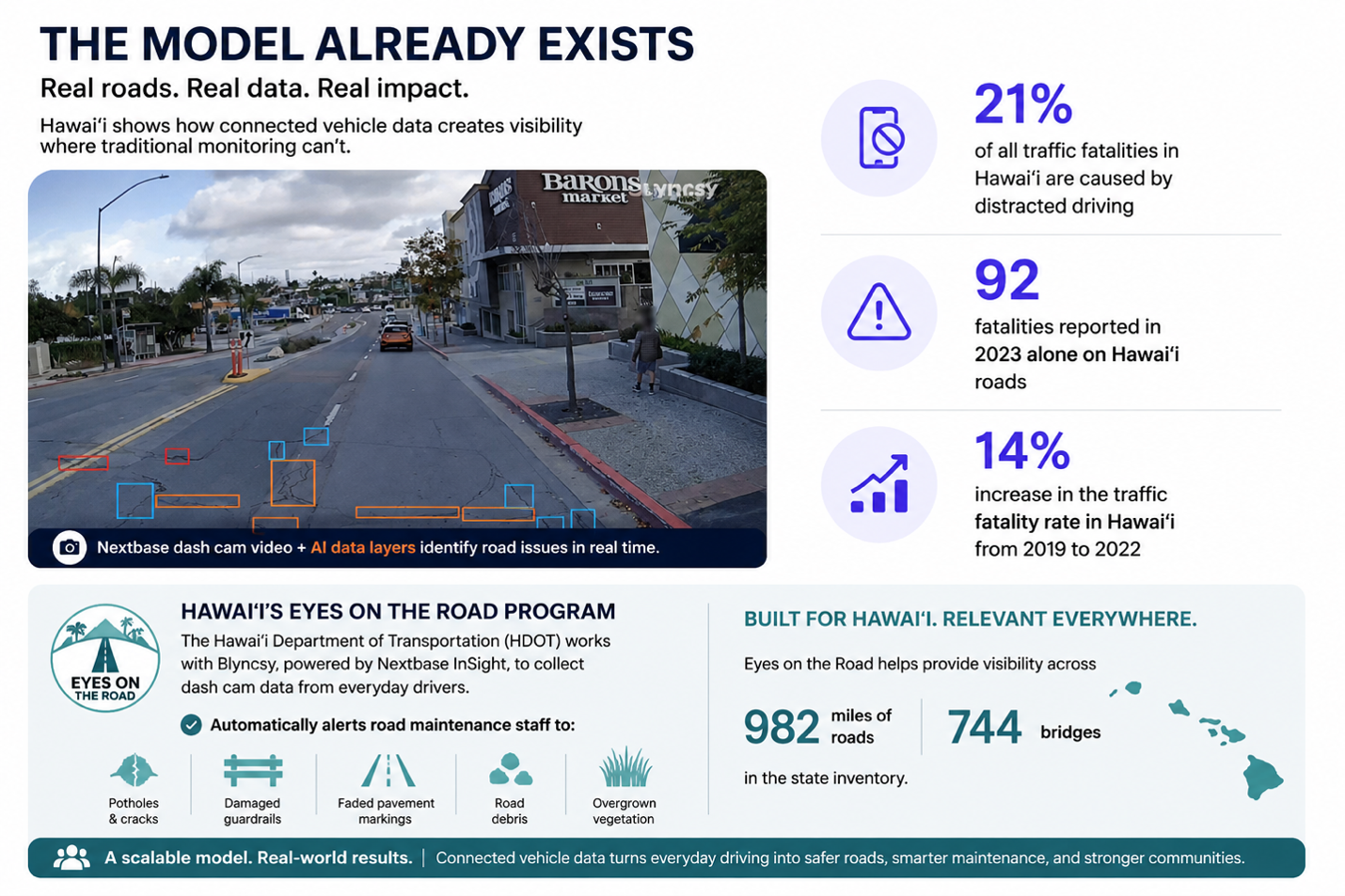
The Model Already Exists
This is not theoretical, and it is not limited to British Columbia.
Canada makes the visibility problem easy to understand because commercial vehicles often travel long rural highways, remote regions, mountain corridors, winter roads, forested areas, and weather-exposed routes where fresh road visibility has real operational value. But the same challenge exists globally. Every market has roads that are difficult to monitor, expensive to survey, or slow to refresh, from logistics corridors and ports to disaster-prone regions, construction zones, and fast-changing urban routes.
Eyes on the Road
Programmes such as the Hawaiʻi Department of Transportation’s work with Blyncsy, powered by Nextbase InSight, show how connected vehicle imagery can support more scalable infrastructure monitoring.
HDOT says its Eyes on the Road programme uses dash cameras to collect information on HDOT-managed roads and automatically share alerts with road maintenance staff for issues such as potholes and cracks, damaged guardrails, faded pavement markings, road debris, and overgrown vegetation. HDOT also notes the programme is intended to help provide visibility across 982 miles of road and 744 bridges in the state inventory.
GeoPost Vision
GeoPost Vision, powered by Nextbase InSight, provides another example of how fleet-based street-level visibility can create value from vehicles already moving through cities and communities.
Geopost is one of Europe’s major parcel delivery groups, delivering 2.1 billion parcels worldwide in 2024 and generating €15.8 billion in revenue.
That scale is the point. A logistics network of that size is not only moving parcels. It is moving through the physical world every day. When paired with the right camera and intelligence platform, those miles can become a new layer of street-level visibility.
To learn more about Nextbase InSight, InSight Connect, InSight Crowd, and fleet deployment, contact [email protected].
Where Nextbase InSight Fits
Nextbase InSight is built for the market that emerges when camera deployment, data demand, and commercial opportunity intersect.
For fleet and vehicle owners, InSight creates a path to turn connected dash cam deployments into potential data value, not just compliance cost. Fleets can continue using cameras for protection and safety, while also participating in a broader road intelligence marketplace where high-quality imagery and metadata are in demand.
For InSight Connect customers, the platform can provide targeted visibility through customised dashboards, route-level reporting, quality-controlled imagery, synchronised metadata, and data outputs built around the customer’s use case.
- A transportation partner may want to monitor road condition changes.
- A mapping partner may need route refresh intelligence.
- A mobility partner may want visibility into curbside, lane, and access conditions.
- An infrastructure partner may need recurring views of assets and hazards.
The value is not simply that imagery exists. The value is that the imagery can be organised, filtered, refreshed, and delivered in a way partners can actually use.
Privacy Is Central to the Model
Useful road intelligence does not mean collecting everything, storing everything, or making footage broadly accessible. It means collecting what is needed, protecting what is sensitive, and delivering data in ways that are permissioned, secure, and fit for purpose.
In approved road intelligence use cases, imagery is processed through privacy-first controls before it is made available for analysis, reporting, or partner use.
- Faces are protected.
- License plates are protected.
- Personal identifiers are protected.
- Sensitive location context is controlled.
- Audio is stripped.
Nextbase’s privacy policy outlines its approach to personal data, including collection, use, retention, access, correction, erasure, restriction, and consent withdrawal. The company states that it takes privacy responsibilities seriously and is committed to protecting and respecting privacy.
Read Beyond the Mandate
British Columbia’s proposed bill is still early, and the details may change. But the signal should not be ignored.
The law may ask fleets to install cameras.
The bigger opportunity is what those cameras can become.
Camera deployment can be a compliance exercise, or it can become the foundation for safer fleets, smarter roads, trusted road intelligence, and new economic value from miles already being driven.
For fleets and independent drivers, this is a chance to see beyond the minimum requirement and choose a camera ecosystem that can create value. For insurers and transportation agencies, it is a signal that a new visibility layer is forming. For infrastructure, mapping, mobility, and AI companies, it points to a new supply of high-fidelity, real-world image data and metadata. For lawmakers and policy influencers, it is an opportunity to shape camera requirements in a way that protects privacy while unlocking public and commercial value.
A required dash cam can record the road.
A connected dash cam platform can help monetise the road intelligence those vehicles already create.
That is the future Nextbase InSight is built to help unlock.
To learn more about Nextbase InSight, InSight Connect, InSight Crowd, and fleet deployment, contact [email protected].